

Unifying our multi-campus school under one banner
Zack Mason – A university spanning multiple cities is not unheard of, and with more online learning opportunities for students, having a variety of campuses is becoming more and more common. University of Toronto, for example, has campuses at St. George, Mississauga and Scarborough, and University of British Columbia has campuses in Vancouver as well as the Okanagan Valley.
Although this multi-campus model is common, it also provides its own challenges and difficulties. This is especially true in the case of schools like Wilfrid Laurier University, where one campus is more established than the other.
Originally a Lutheran seminary college, and then an affiliate of Western University, Laurier’s Waterloo campus became the WLU we know today, in 1973.
The establishment of Laurier’s Brantford campus followed in 1999. While the two are only officially separated by 26 years, Laurier’s Waterloo campus rebrand was preceded by nearly 65 years of established culture, and as a result, Brantford has historically been seen as a secondary campus of the Waterloo-based WLU.
Ryan Jobby, president of Laurier’s Students’ Union seeks to break down some of these notions. He believes that campuses should strive for individuality, rather than being differentiated only by size. Jobby argues that Brantford’s student programming shouldn’t revolve around what happens in Waterloo.
“We don’t want things to be scaled up or down depending on where they happen. We want them to be specifically for the students on the campus,” Jobby said.
According to Jobby, Waterloo also has a lot to learn from Brantford’s campus community.
As part of his Presidential Campaign, Jobby included a platform dedicated to channeling Brantford’s energy in Waterloo.
“The Brantford community is very tight knit, very close together,” Jobby said. “A lot of the students there are involved and integrated into campus life and know each other very well, and that’s what I want to integrate here too.”
To provide for each campuses’ individual needs, as well as help the two learn from one another, the Students’ Union is practicing a high degree of communication internally:
“The vice presidents of programming and services from both campuses have been in consistent communication and they are very collaborative in the efforts that they do together,” Jobby said.
In addition to internal collaboration, the Student Union is looking to the students themselves for advice and engagement when it comes to programming for both campuses.
“We’re leaning on our student volunteers and the student population we have, to be intentional with the programming we provide,” Jobby said.
If you are a Golden Hawk in Waterloo or Brantford and have ideas for making your campus a more engaged place, reach out to the Students’ Union! They want to hear your thoughts.
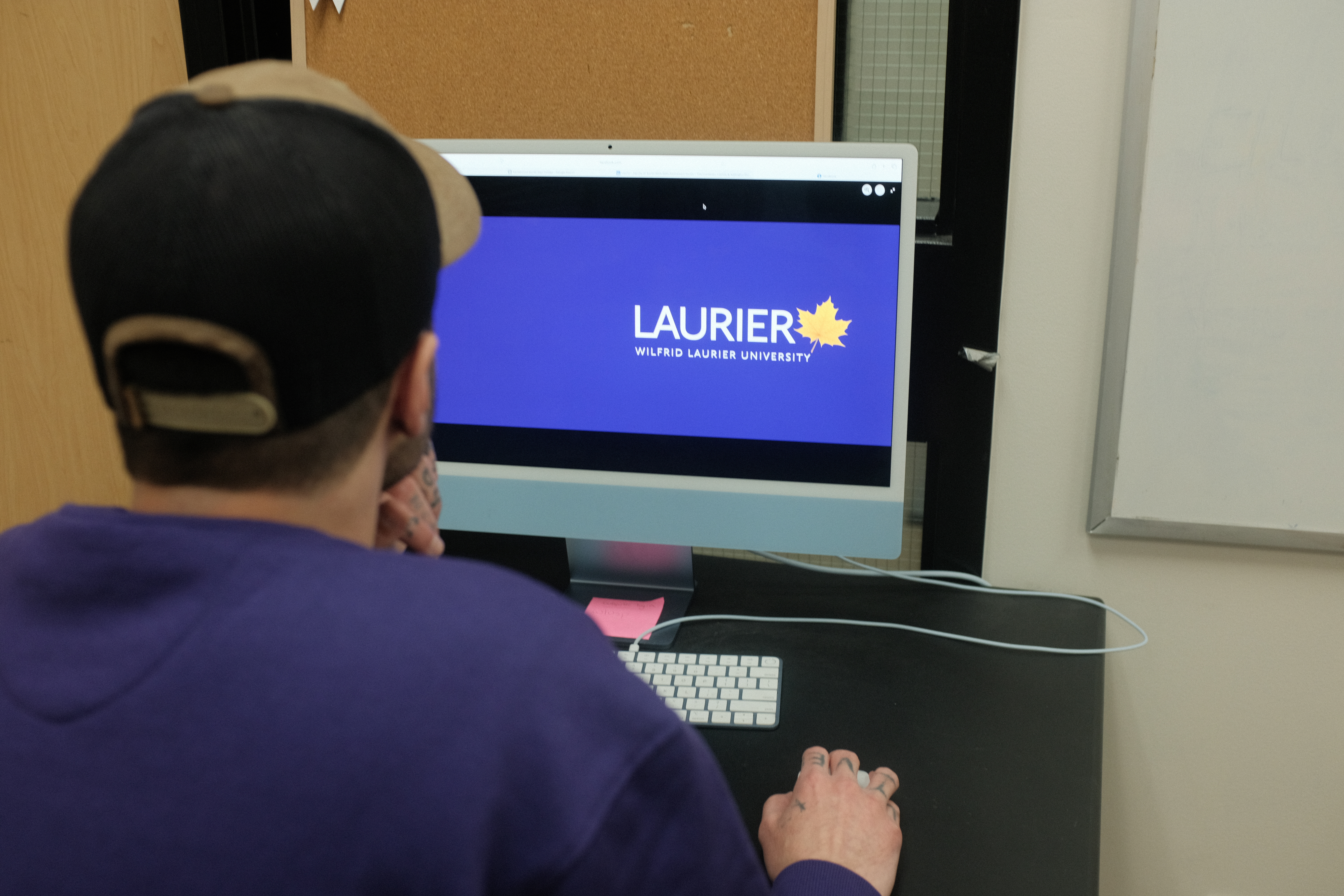
Photo contributor: Sienna Bilancia


Leave a Reply