
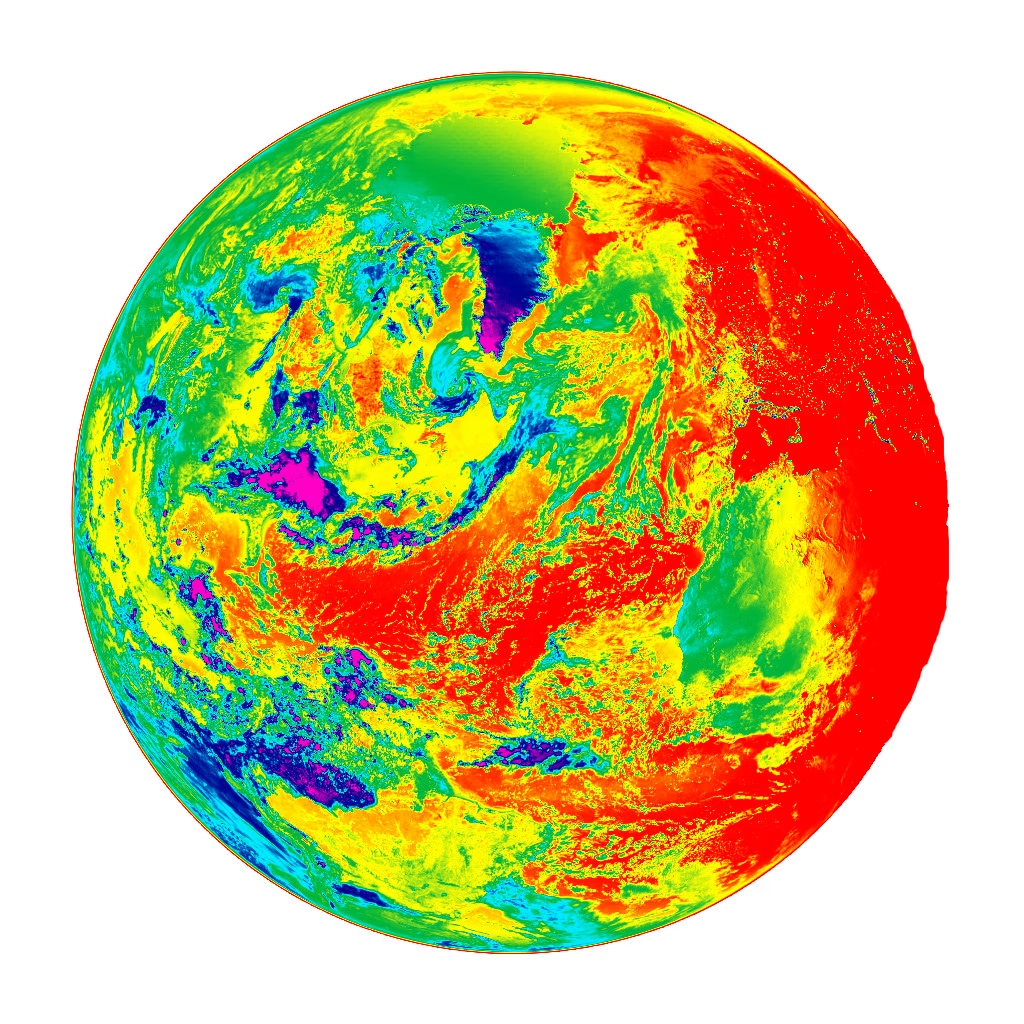
Super El Niño Hits Ontario
The World Meteorological Organization (WMO) has confirmed an El Niño event started this year and forecasts an “exceptionally high likelihood of nearly 100%” that El Niño will continue until February 2027.
El Niño events are a natural phenomenon that occur every two to seven years. They happen when waters in the Pacific Ocean from Australia to South America warm above their average temperatures by at least 0.5 degrees. El Niño events can last between nine and 12 months. While El Niño affects weather patterns worldwide, certain areas will be affected differently than others. In Canada, El Niño is expected to peak from November to February, potentially contributing to warmer conditions. However, these warmer temperatures have historically caused more severe weather events in Canada, such as ice storms. The relationship between El Niño events and climate change is still being discussed.
While El Niño events are not caused by climate change, their harmful effects may be exacerbated by rising global temperatures due to man-made emissions. Climate scientists predict that global temperatures will continue to hit record highs over the next five years. “In general, this concern will always be a big one,” said Eric Meliton, manager of Laurier’s sustainability office. “We are not as equipped to be as resilient to those issues – power outages, ice jams, broken pipes, roadways being shut down,” said Meliton.
Meliton says Laurier Brantford will face different concerns than other campuses. Most of Laurier Brantford’s buildings are older, as the campus has restored and repurposed many historic buildings downtown. Meliton worries about the maintenance difficulties that these severe weather events could cause. Meliton explained that flooding has happened in older buildings on both Brantford and Waterloo campuses in recent years, and contract builders are harder to source during the winter, due to the high number of emergency situations.
When asked about the potential effects of the Super El Niño on sustainability at Laurier, Meliton replied, “It’s an opportunity for the student community to be a part of providing solutions.” Meliton added that students don’t have external factors impacting their ideas, such as a need to hit specific profits or follow certain company protocols, so solutions can be more creative. Prior to landing his job at the sustainability office in 2021, Meliton worked in various roles for 25 years in both the private and public sector, including as a chemist, clean technology analyst and strategist, and project manager for water stewardship initiatives.
When asked about the responsibility that companies have in battling climate change amidst a growing public concern about the necessity of their own actions to reduce their carbon footprint juxtaposed with the carbon emissions of corporations, Meliton replied that corporations have strong incentives to invest in sustainable solutions. “As an economic driver, climate change and resiliency solutions can be profitable.” He added that sustainability is too often seen as just about the environment, but it really is about creating resiliency. “Resiliency is being able to provide resources for people within communities to thrive food security, access to initiatives, being able to steward yourself,” and in regard to climate change, it is “almost accepting that it’s too far gone but focusing on how you can adjust to it.”
“Everyone has a responsibility, and an individual can still make a difference,” said Meliton. One way that students can make a difference at Laurier is through the Sustainable Hawk Fund. Students, faculty, and staff can apply for up to $5,000 in funding for events, building alterations, and other projects to improve sustainability at Laurier.
Notable Brantford initiatives from the fund include the Laurier Honeybee Project on top of One Market, the Freestore and Move Out program in the Level One Lounge, and the green wall in the Research & Academic Centre. To learn more about the Sustainable Hawk Fund or apply, go to https://students.wlu.ca/campus-services/sustainability/get-involved/ sustainable-hawk-fund.html.
Applications close in January 2027.
Sources
https://wmo.int/news/media-centre/new-report-suggests-more-global-temperature-records-ahead




Leave a Reply