
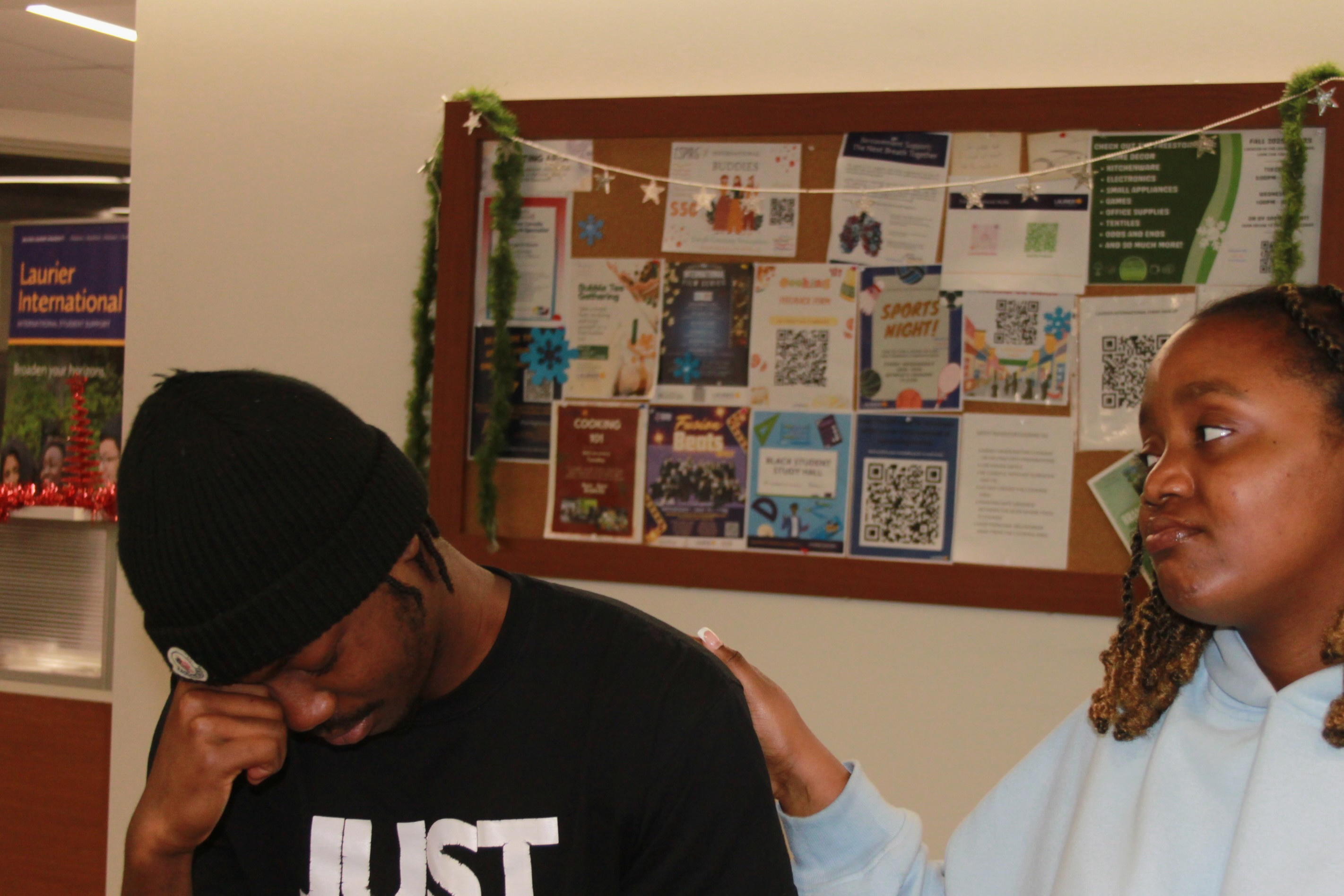
Everyone knows how to deal with a breakup when it comes to relationships. There are movies about it, songs, people post about it online, and everyone just gets that it hurts. But when losing a close friend, no one really explains what to do. Friendship breakups are so quiet and confusing and, honestly, they can feel just as heavy as a romantic breakup. This topic isn’t really talked about enough and, most of the time, it’s up to the individual to figure out on their own.
I remember hearing about someone who lost their best friend after switching high school. It wasn’t just about not seeing each other anymore; it was the loneliness that came after. They always thought maybe they would reconnect one day when things got easier, but the friendship just faded away. It’s a different kind of pain than a romantic breakup because this is the person you go to for everything. They’re the one you talk to when you’re upset, stressed or just having a bad day. When that person is gone, it feels like you have lost a part of yourself.
Another person shared a similar sense of isolation after a friendship with their roommate ended. When the roommate moved out, the loss rippled outward. Friend groups shifted, routines changed and the absence felt constant. They described the experience as deeply lonely, emphasising how friendship breakups often go unrecognised as real losses. Unlike romantic relationships, friendship breakups are rarely validated by others, even though they involve emotional intimacy, daily communication and shared trust.
Both people pointed to the same social pattern. Romantic breakups are public. People post about them, talk about them and receive enthusiastic support. Friendship breakups, on the other hand, are something people go quiet about. There is an unspoken belief that they are less serious, less painful or simply easier to move on from. But this assumption ignores how deeply platonic relationships shape our sense of self and belonging.
These experiences also leave lasting effects. One person admitted that after losing a friend, they became more cautious when forming new friendships. Trust was no longer given freely. Instead, friendships were built slowly, with intention, similar to how people approach romantic relationships. While painful, this shift also led to healthier, longer-lasting connections grounded in mutual trust.
Coping looked different for each person, but community mattered. Leaning on other friends, family support and even companionship from a pet helped ease the loneliness. What remained consistent was the desire for peace rather than resentment. When asked what they would say to the friend they lost, one person simply said they wished them well and hoped they knew they were doing okay too.
Friendship breakups may not come with dramatic endings, but their quiet loss deserves recognition. Just as we collectively acknowledge and process romantic heartbreak, it is crucial that we also recognise the seriousness of grieving lost friendships. Until we start treating friendship breakups as real grief, many people will continue to feel alone in pain they never learned how to name.




Leave a Reply