

Is journalism bringing out the truth or is it feeding us content?
When I entered my journalism program, I was young and convinced I knew exactly what I wanted. I imagined myself as a news anchor, sitting behind a desk and delivering stories to people. Back then, journalism felt important. It felt stable. The image of a news anchor, sitting behind a desk and delivering real stories to people once felt important. It felt stable.
Now, even that’s up in the air.
Journalism classes taught me things I never thought about, especially how bias works. Not just obvious bias, but subtle bias. How wording, visuals, ownership, political leanings,,
Now, when I look at the media, things feel off.
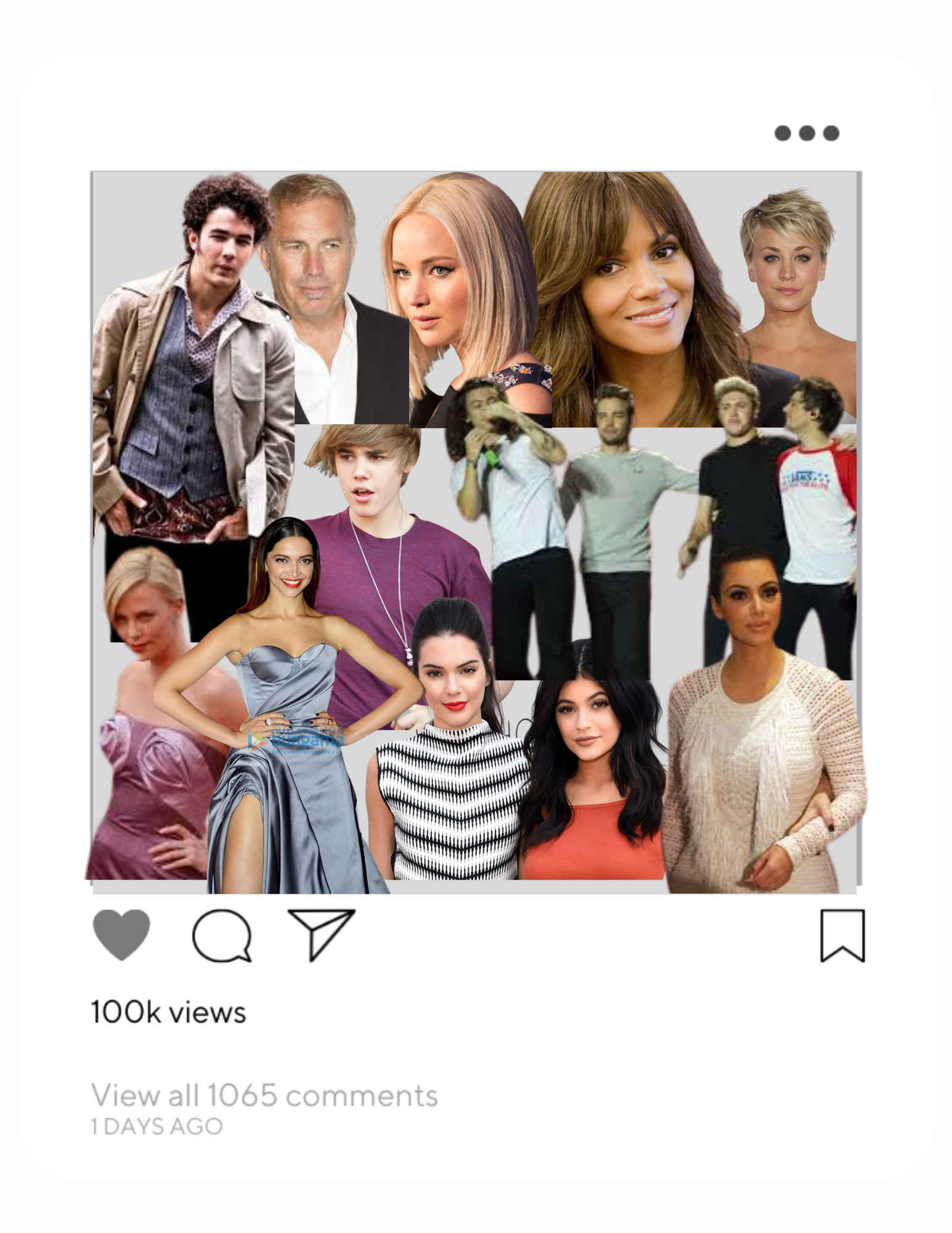
Nowadays, everything is about the U.S. Immigration and Customs Enforcement (ICE) and the United States. This is what’s dominating recent headlines and timelines. At the same time, the Epstein files are trending all over social media: a good cover up. Stories like these make me wonder why certain stories take over at these moments. Have we stopped asking what’s being pushed aside and why? It feels like journalism is turning into entertainment, not in the sense that serious issues are funny, but in the way they’re packaged and distributed. The Epstein files, for example, ties celebrities, power and “public entertainment” together. It keeps people busy. It keeps people scrolling. And while everyone is focused on that, global issues,
From what I’ve learned in journalism classes, the media feeds people what fits their ideology and the existing social mood. Algorithms reward content that confirms beliefs, not content that challenges them. Once, a professor said something that has stuck with me ever since: when an article relies heavily on quotes from a single source, it often signals agreement or bias. Using more quotes makes the source appear authoritative, truthful,
The more I pay attention, the more it feels true. Quotes are powerful. They make stories feel real and credible, even when they push one clear perspective. When audiences see repeated quotes, they are more likely to accept the message without questioning it. Over time, this shapes how people think. Critical thinking fades because people are being fed information that already aligns with what they believe. They trust it not because it’s been fully verified, but because it feels right.
Journalism is supposed to involve reading multiple perspectives. You’re supposed to look at left-leaning sources, right-leaning sources, compare them and then decide. That tedious process matters. But it feels like fewer people are doing that now. Instead, we stick to one version of reality.
When I think about journalism in the 1900s, it feels more grounded. Stories were written to inform, to expose, to teach. Journalism wasn’t perfect, but it had a clearer purpose. It wasn’t just chasing attention or trends.
Now journalism exists everywhere; in photography, videography, blogs, social media, podcasts,,


Leave a Reply