
The recycling program removal that went under the rug
Starting Jan. 1, 2026, the City of Brantford ended curbside recycling collection for industrial, commercial, and institutional properties, including the Laurier Brantford Campus. This change stems from Ontario’s new producer responsibility model, shifting responsibility solely to producers rather than municipalities. However, if you’re paying attention, this article is in the opinion section for a reason as I certainly have an opinion. I left out another option for these institutions that seem to be absent from municipal websites — a popular option, and the one Wilfrid Laurier University went with: just don’t recycle.
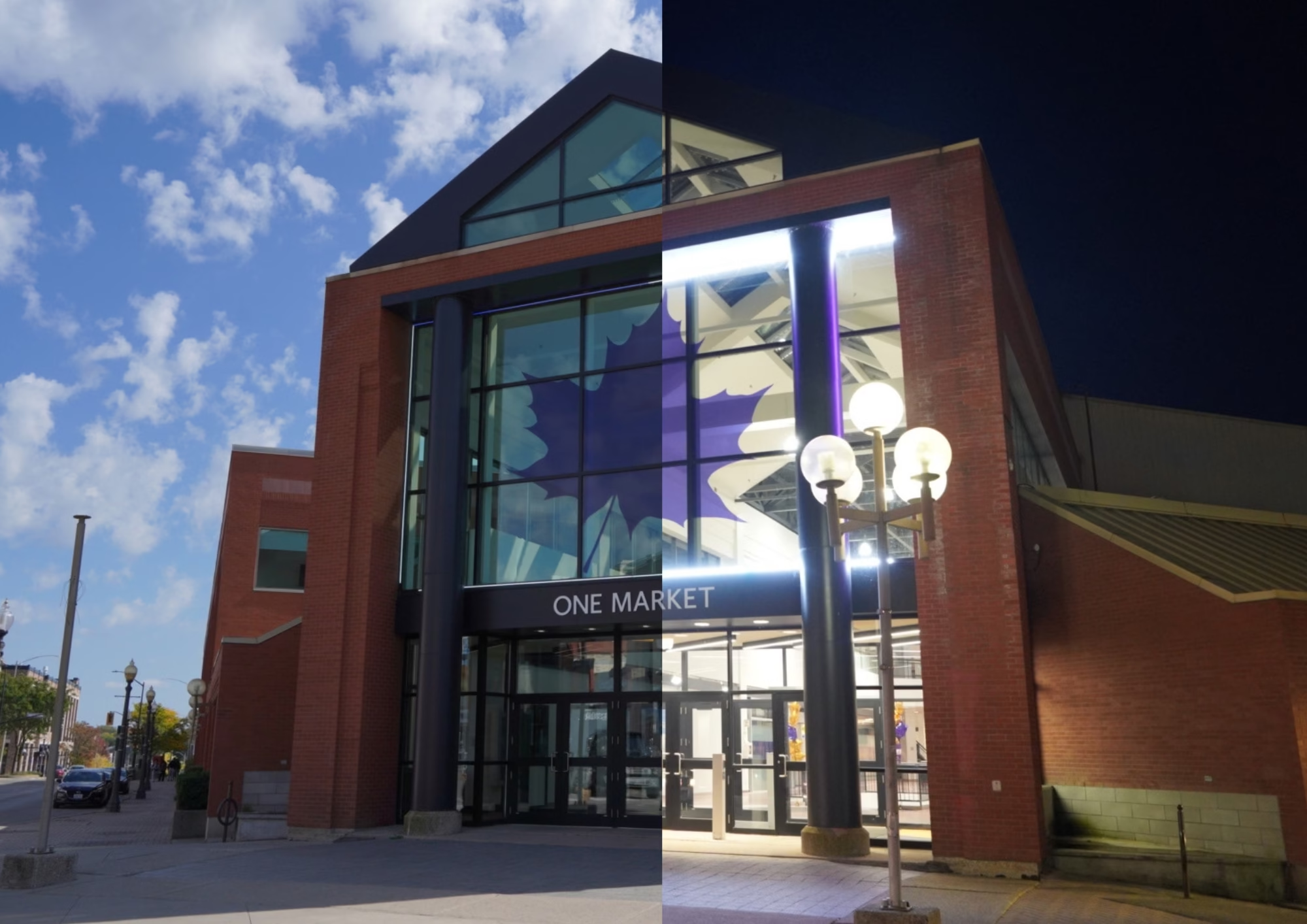
Following the change, Laurier Brantford has yet to restore campus recycling, leaving most of the community in the dark. Residence students received an email announcing that recycling would no longer be available, but the rest of campus was left uninformed. To this day there is still no concrete mention of the change on the university’s website, and recycling bins remain scattered around campus from before the change. Unaware, students and faculty assume waste is still sorted. It is disappointing for a university that prides itself on sustainability to drop one of the most fundamental eco-friendly practices on campus.
While the ideal scenario is that these Institutions take responsibility for their recycling, provincial and municipal enforcement is non-existent—making recycling completely optional. While in previous years recycling was free and convenient for institutions, now it requires extra effort for them to do. Without a financial incentive, many institutions that previously recycled because of its convenience no longer do. In our society money and time are two of the most important resources that serve as a gateway to everything in our lives; the goal of most Institutions is to provide a product or service while making the most money in ideally the most efficient and time-effective way. Regardless of the passion and quality these institutions may provide, this is ultimately what it comes down to as everyone tries to stay afloat or make shareholders happy with increasing profits. If an institution doesn’t have to do something more often than not, they won’t do it regardless of the greater good of society.
I say all this to explain why this provincial change has devastating consequences for reaching sustainability goals both — both across the province at large and at the Wilfrid Laurier University Brantford Campus, and how it represents a broader cultural shift among institutions and governments regarding the climate crisis. In the 2010s, there was a genuine effort to acknowledge the existential threat facing the world, alongside a coordinated plan to create sustainable goals and invest in an environmentally friendly future for upcoming generations.
Fast-forward to today, those goals and investments for the most part appear to have been abandoned by those in positions of power, as climate change deniers’ control more of the narrative or simply ignore the issue altogether. It is easy to feel hopeless or turn a blind eye to our future, but by educating others and advocating for sustainable practices we can still make a change staring with advocating for Wilfrid Laurier University to invest in recycling on the Brantford campus and then doing the same for recycling in Ontario. I’m disappointed in Ontario for privatizing recycling and in Laurier Brantford for not investing in recycling despite wanting to be seen as an eco-conscious institution, but together we can help make change.



Leave a Reply