
Brantford Transit reshapes local network as city pushes for regional expansion
Brantford’s public transit network has entered one of its most substantial periods of change in years, with new routes, retired lines, the arrival of the city’s first battery-electric buses and a renewed push to connect Brantford directly to the GO rail network.
The changes form part of Brantford Transit’s Moving Forward Transit Optimization Plan, which the city says is intended to improve reliability, expand service coverage and create more direct trips across Brantford.
Phase 2 of the plan took effect on Sept. 6. The overhaul introduced four routes: Route B, the Daffodil Line, Route 23, the Memorial Line, Route 24, the Park Line, and Route 25, the Beaver Line.
Route B now operates as a two-way north-south core route between Eagle Place and Brantford Commons. It replaces part of the former 4A and 4C service between Brantford Commons and downtown before continuing south through the Entertainment District, Erie Avenue and the Woodlands Cultural Centre.
In north Brantford, Routes 23, 24 and 25 have reorganized service around Brantford Commons, Lynden Park Mall and surrounding neighborhoods. Route 23 runs between the downtown terminal and Brantford Commons through Memorial Drive and Varadi Avenue. Route 24 connects Brantford Commons with Lynden Park Mall and Holiday Drive, while Route 25 provides a more direct link between the mall and Brantford Commons through Park Road North, Dunsdon Street and King George Road.
The detailed route plan also retired from Routes 3, 4A and 4C on Sept. 6. Service previously provided by those routes was redistributed among new and revised lines. Other routes received smaller changes, including extended weekday service on Route 20 and altered routing on Routes 8 and 21.
The restructuring follows years of relatively limited change to the city’s transit network. Brantford began developing the Moving Forward plan after ridership increased significantly following 2021, while work-from-home arrangements and continued growth changed local travel patterns.
The city is also beginning to change what powers the buses themselves.
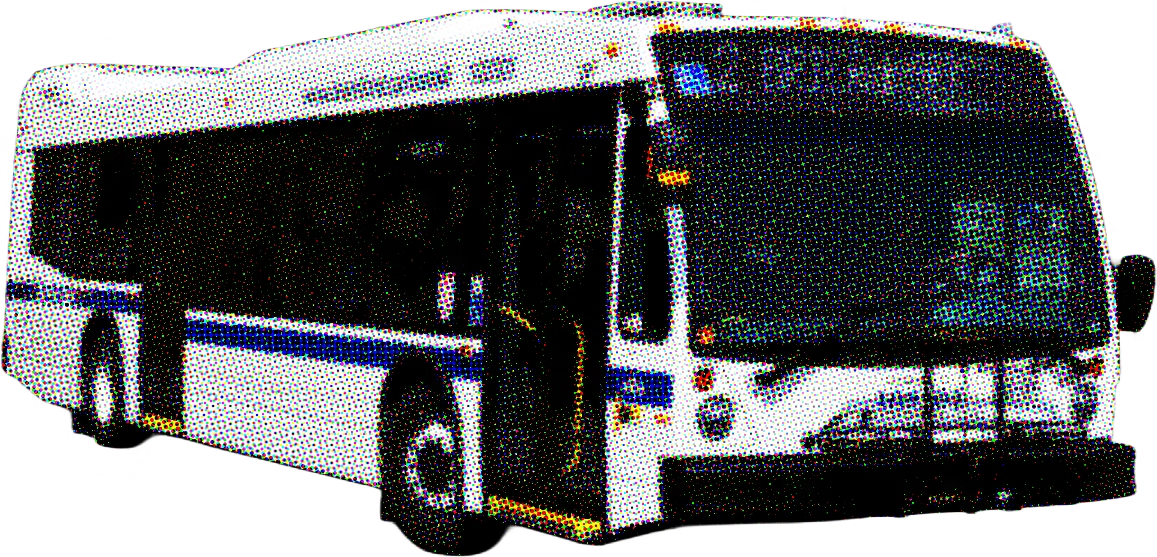
Brantford Transit announced Sept. 10 that it was adding two 12-metre New Flyer XE40 battery-electric buses to its fleet, the first battery-electric buses intended for regular transit service in the city.
Unlike replacement vehicles, the buses will expand the existing fleet and increase overall capacity. The city estimates each bus could eliminate about 90 tonnes of carbon dioxide-equivalent greenhouse gas emissions annually compared with a conventional diesel bus.
The buses will charge overnight at the Transit Services Centre using newly installed charging equipment and electrical infrastructure. Brantford Transit plans to monitor their performance as it considers future fleet electrification.
The changes inside Brantford are unfolding alongside another debate over how the city connects with the rest of southern Ontario.
Ward 5 Coun. Brian Van Tilborg brought a motion before the Sept. 15 committee of the whole calling on the province to expand GO service to Brantford. The proposal requested GO rail service between Brantford and Aldershot GO Station, express GO buses between Brantford and Aldershot during peak periods and GO bus service connecting Brantford with Cambridge, Kitchener and Waterloo. The proposal advanced to the Sept. 29 council agenda.
Brantford already has GO bus service linking its downtown terminal with Aldershot, where passengers can transfer to the Lakeshore West rail line. The push for rail service is not new.
In 2023, Brantford submitted a business case to the province, arguing for a GO rail extension to the city. The study projected about 4,800 daily riders and said a Brantford station could improve regional connections while reducing pressure on roads and parking at other GO stations.
Population growth has remained central to the city’s case. Brantford’s 2023 proposal projected its population would increase from about 106,000 in 2021 to 165,000 by 2051, placing additional pressure on the Highway 403 corridor and existing transit connections.
Taken together, the local route overhaul, electric fleet expansion and renewed GO proposal represent a broader attempt to reshape how Brantford residents move within the city and beyond it. Whether the regional portion of that transformation advances will depend on provincial and regional transit decisions, Brantford Transit’s local network is already operating under a substantially different map.
Sources



Leave a Reply