
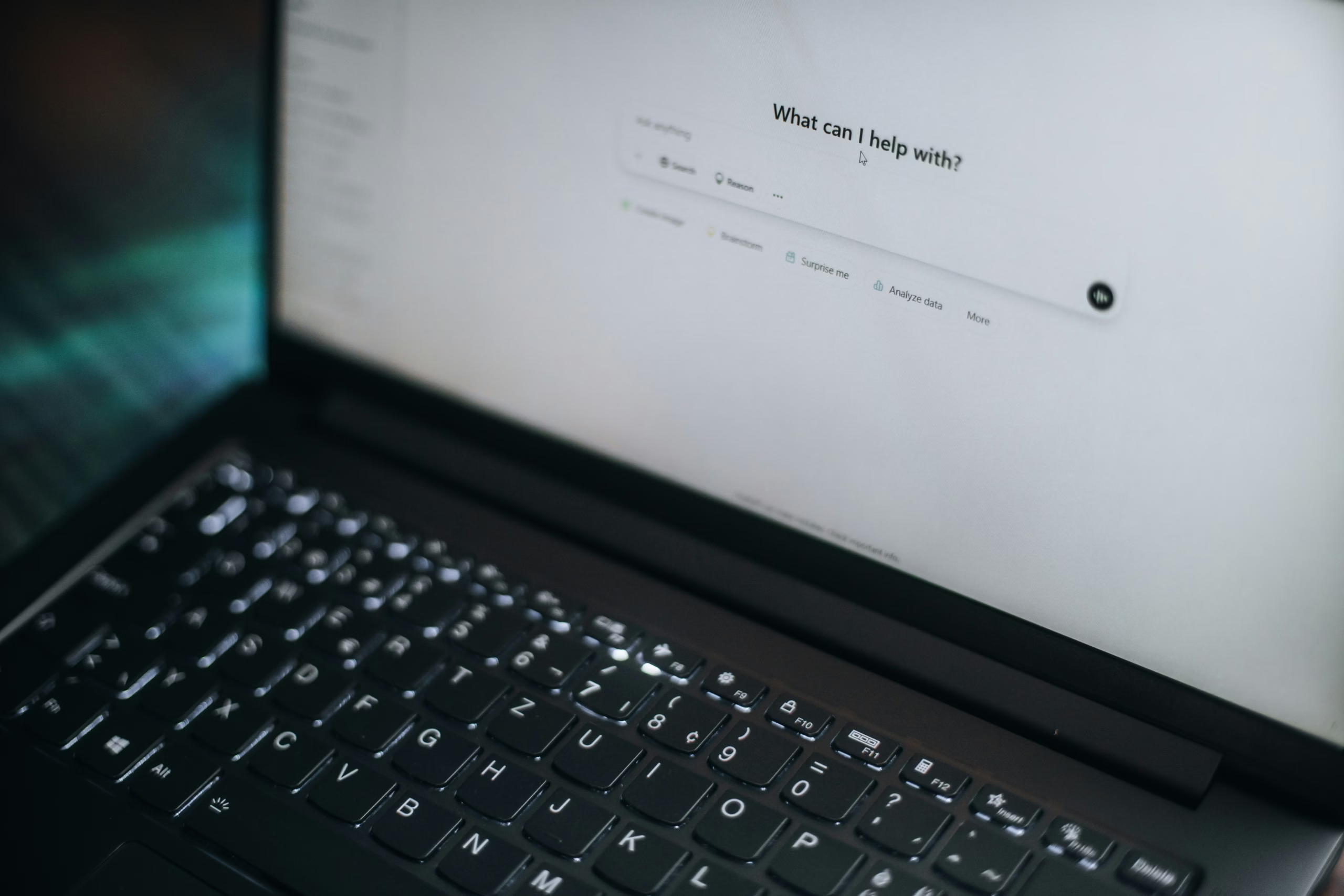
Artificial Intelligence (AI) has grown over the years, especially platforms like ChatGPT. This platform writes essays, generates art, composes music and makes business decisions — things that once required human effort, skill, and creativity. Now, rather than using AI to assist us, we’re using it as a basic need, making ourselves more dependent and less intelligent.
What’s more shocking is that ChatGPT offers a premium subscription –– with a cost of $24 per month –– and people pay to use it. The free version already provides access to an overwhelming amount of information; I can’t help but wonder what exclusive features the premium version offers. It’s shocking that AI has been incorporated so easily into our lives and that it’s something people are willing to pay for. Rather than using it as a tool we rely on it so much –– that itself speaks volumes on how heavily dependent we are on it.
Take education, for example. Back in high school and starting my first year of university, AI and ChatGPT were never a thing. Sure, we had programs such as Grammarly and QuillBot to assist with our work and make it sound “smart” when really it was just sophisticated vocabulary stuck together to convince our professors to give us an A. But now, students are increasingly turning to AI to write their assignments, summarize articles, craft emails and even complete coding projects.
It does make sense –– why bother analyzing articles when AI can do it? Why learn how to structure an argument when these platforms can do it for you? Schools try to promote critical thinking, but if this pattern continues, generations will struggle to form any original ideas without relying on a machine. Not just that, our future will be a shitshow –– we are depending on this generation of doctors, lawyers, physicians and so on who use ChatGPT for their exams and assignments.
The problem with AI is that it’s not just correlated with students, but that it has crept into the workplace — replacing human expertise across industries. Writers, designers, service representatives and even doctors are seeing parts of their jobs automated. AI can generate marketing campaigns, analyze medical scans and predict financial trends. While some argue that this boosts productivity, AI can be wrong. Take, for example, a story I covered with Spotify Wrapped 2024 and the assassination of UnitedHeathCare’s CEO. Spotify created a horrible wrap using AI for their audiences, and UnitedHeathcare used AI (with a failure rate of 90 percent) to verify insurance claims. When we replace human judgment with AI-driven decisions, we risk losing the gift we are born with: our human ability to think critically, adapt and innovate.
Creativity is now under threat. AI-generated artwork wins competitions, AI-composed music sounds indistinguishable from human-made tracks, and AI-written scripts are taking over the movie industry. Instead of fostering creativity, we’re outsourcing it. Some argue that AI simply enhances human creativity, but let’s be honest — if AI can produce a finished product in minutes, what incentive is there to create from scratch? The argument that AI is “just a tool” sounds reasonable, but in reality, we are already letting it do our thinking for us. The more we rely on machines, the less capable we become.
The future doesn’t belong to humans — it belongs to the AI that we trained. I mean, could you tell if the last paragraph was written using AI? If you can’t, that’s where the problem begins





Leave a Reply